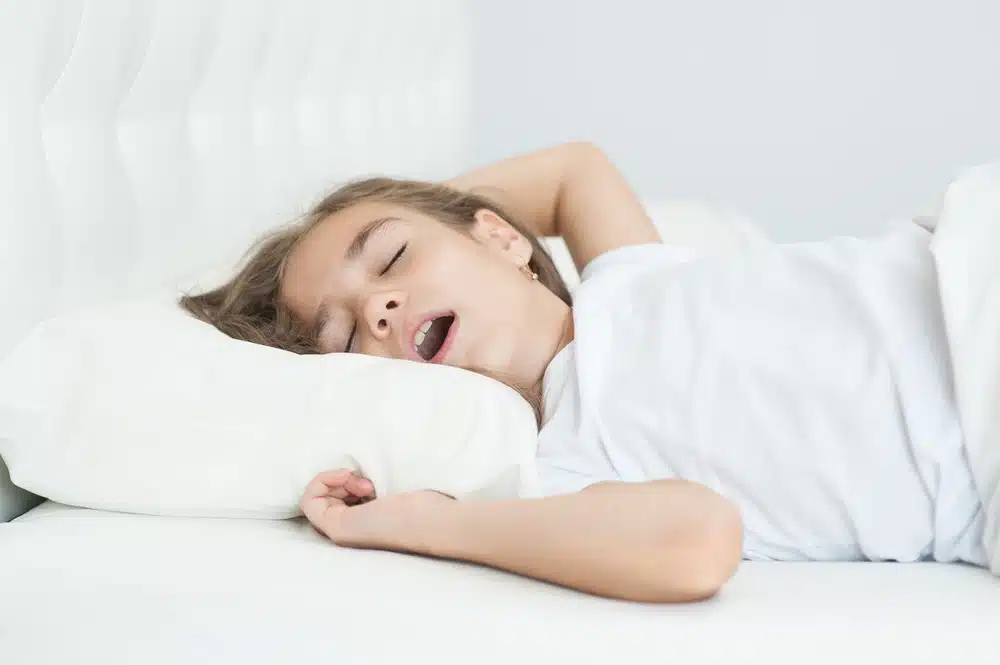
Untreated pediatric sleep apnea creates serious long-term health consequences that affect growth, learning, behavior, and cardiovascular health. Children face risks including stunted physical development, cognitive delays, emotional instability, high blood pressure, and increased diabetes risk. Dr. Eugene Azuma has spent over 30 years helping Honolulu families understand these dangers and prevent lasting damage through early intervention and specialized treatment.
Sleep apnea in children isn’t something that just goes away on its own. Dr. Eugene Azuma has spent decades helping families in Honolulu understand the serious health risks their children face. After earning his Doctor of Dental Surgery from Georgetown University and establishing his practice in 1990, Dr. Azuma became a specialist in dental sleep medicine. As Vice President of the American Sleep and Breathing Academy and a certified diplomate, he’s seen firsthand how untreated sleep apnea affects a child’s entire future.
Your child’s nighttime breathing problems create ripples that touch every part of their life. Growth slows down, learning becomes harder, and behavior changes in ways that confuse everyone. These aren’t separate problems but all connect back to disrupted sleep and interrupted breathing. Understanding these risks helps you protect your child’s health now and for years to come.
How Sleep Apnea Affects Your Child’s Growth
Growing bodies need quality sleep to develop properly. Sleep apnea steals the rest that children need for healthy development.
Physical growth depends on hormones released during deep sleep. When breathing stops and starts all night, your child never reaches those deep sleep stages. Growth hormone production drops. You might notice your child falling behind peers in height or weight.
Brain development suffers just as much as physical growth. The early years are critical for building cognitive skills. Memory formation happens during sleep. Problem-solving abilities strengthen overnight. Sleep apnea interrupts all of these processes.
Academic performance reveals the damage over time. Children with untreated sleep apnea often struggle in school. They have trouble remembering what they learned yesterday. Concentrating on homework feels impossible. Teachers might suggest they’re not trying hard enough when the real issue is a brain that’s been oxygen-deprived for months or years.
The Emotional Toll Nobody Talks About
Sleep apnea doesn’t just affect the body. It deeply impacts your child’s emotional health and how they interact with the world.
Mood swings become a daily struggle. Your child might seem fine one minute and fall apart the next. Small frustrations trigger big reactions. These emotional outbursts aren’t manipulation or bad behavior but symptoms of a brain running on empty.
The overlap with ADHD confuses many families. Hyperactivity, inattention, and impulsiveness look identical to ADHD symptoms. Some children get misdiagnosed and put on medication they don’t actually need. Dr. Azuma works with families to evaluate whether breathing problems might be causing behavioral issues before assuming it’s ADHD. Remember that accurate diagnosis from qualified healthcare professionals is needed before starting any treatment plan.
Here’s what emotional and behavioral struggles from sleep apnea look like:
- Extreme mood swings that seem out of proportion
- Irritability that makes daily life difficult for everyone
- Anxiety or depression symptoms in previously happy children
- Social withdrawal from friends and activities they used to enjoy
- Emotional meltdowns over minor disappointments
- Difficulty regulating emotions in school settings
- Behavioral problems that don’t respond to typical discipline
Social development takes a hit too. Children with sleep apnea often miss social cues and making friends becomes harder. They might not pick up on when other kids are annoyed or interested. These social struggles compound over time. Your child falls further behind peers in understanding how relationships work.
Health Problems That Build Over Time
The effects of sleep apnea don’t stay in childhood. They create health risks that follow your child into adulthood.
Cardiovascular stress accumulates night after night. Each time breathing stops, blood oxygen levels drop. The heart works harder to compensate and blood pressure rises. This pattern repeats hundreds of times per night. Over months and years, this constant stress damages the cardiovascular system.
| Health System | How Sleep Apnea Damages It | Long-Term Risk |
| Cardiovascular | Repeated oxygen drops stress the heart | High blood pressure, heart disease risk |
| Metabolic | Disrupted sleep affects insulin sensitivity | Increased diabetes risk, weight issues |
| Immune | Poor sleep weakens immune response | More frequent infections, slower healing |
| Endocrine | Hormone release gets disrupted | Growth problems, mood disorders |
| Respiratory | Chronic inflammation in airways | Asthma complications, lung issues |
Metabolic problems develop quietly. Sleep apnea affects how the body processes insulin and regulates blood sugar. Children with untreated sleep apnea face higher risk of developing type 2 diabetes later in life. Weight management becomes harder because sleep disruption affects hunger hormones.
Systemic inflammation harms the whole body. Sleep is when the body performs healing and maintenance. Without quality rest, inflammation builds up. This chronic inflammation sets the stage for various health conditions. It affects everything from joint health to brain function.
Taking Action Before Damage Becomes Permanent
Early treatment changes the trajectory completely. The sooner you address sleep apnea, the better your child’s outcomes.
Recognizing warning signs comes first. Loud snoring that happens most nights matters. Long pauses in breathing during sleep need attention. Gasping or choking sounds are red flags. Daytime sleepiness despite adequate time in bed signals a problem.
Medical evaluation shouldn’t wait. When you notice concerning signs, schedule an appointment with a specialist like Dr. Azuma. He’ll assess your child’s airway and breathing patterns. A sleep study might be recommended to measure exactly what’s happening at night.
Treatment options address the root cause of breathing problems. Some children need surgical intervention to remove enlarged tonsils or adenoids. Others benefit from oral appliances that keep airways open. Lifestyle changes like weight management help some families. Dr. Azuma creates customized plans based on each child’s specific needs and anatomy.
Ongoing monitoring keeps treatment effective as your child grows. Regular follow-up appointments track progress. This continuous care prevents problems from returning. It gives your child the best chance at healthy development.

Getting the Support Your Family Needs
Managing pediatric sleep apnea works better when you have strong support. Multiple resources help families go through diagnosis and treatment.
Medical expertise forms the foundation. Dr. Azuma and his team at Hawaii Dental Sleep Medicine provide specialized care for sleep-disordered breathing. His position as Vice President of the American Sleep and Breathing Academy means he stays current with the latest treatment approaches. Honolulu families from Pearl City to Hawaii Kai benefit from having this level of expertise locally available.
Educational resources empower parents to help at home. Understanding how sleep apnea affects your child changes how you respond to symptoms. Learning about treatment options helps you make informed decisions. Written materials and demonstrations show you how to support your child’s treatment plan between appointments.
Emotional support helps families cope with the stress of diagnosis. Connecting with other parents facing similar challenges reduces isolation. Support groups share practical tips for managing treatment. Knowing others understand your journey provides comfort during difficult times.
Community awareness makes a difference too. Teachers who understand sleep apnea can adjust expectations appropriately. The more people in your child’s life who understand the condition, the better support they receive.
Prevention Strategies That Actually Work
Catching sleep apnea early prevents serious complications. A strong prevention approach includes regular monitoring and quick action.
Regular dental checkups catch airway issues before they become severe. Dr. Azuma evaluates airway development during routine visits. He looks for narrow dental arches, enlarged tonsils, and other risk factors. These screenings allow early intervention when problems are easier to treat.
Tracking growth and development reveals subtle problems. Your pediatrician monitors height and weight curves. Deviations from expected growth patterns deserve investigation. Sleep issues might be the underlying cause.
Establishing healthy sleep habits supports overall rest quality. Consistent bedtimes help regulate sleep cycles. Cool, dark, quiet bedrooms promote better sleep. Avoiding screens before bed improves sleep quality.
Quick response to symptoms prevents escalation. When you notice snoring or breathing pauses, don’t wait to see if they go away. Early treatment is easier and more effective. It prevents months or years of disrupted development.
Protecting Your Child’s Future in Honolulu
Untreated sleep apnea creates risks that compound over time. Your child’s growth, learning, behavior, and long-term health all suffer.
Dr. Eugene Azuma brings over 30 years of dental experience and specialized training in sleep medicine to every patient evaluation. As a diplomate of the American Sleep and Breathing Academy, he understands the critical connection between airway health and overall wellness. His practice combines advanced technology with personalized care for Honolulu families throughout Oahu.
Family involvement makes treatment successful. Following through with treatment plans matters. Monitoring your child’s progress helps catch issues early. Your commitment to their health protects their development during critical years. Ready to address your child’s sleep breathing issues? Contact Dr. Azuma’s practice in Honolulu today for a comprehensive evaluation.
Azuma Dental
Dr. Eugene Azuma
1580 Makaloa Street #950
Honolulu, HI 96814
(808) 955-6677
Frequently Asked Questions
What are the long-term risks of untreated pediatric sleep apnea?
Untreated sleep apnea creates serious health consequences that build over time. Growth and development slow down because growth hormone release gets disrupted. Cognitive abilities suffer as the brain misses critical development periods. Cardiovascular problems develop from repeated oxygen drops and increased blood pressure. Metabolic issues like insulin resistance and weight gain become more likely. These risks are why early treatment matters so much.
Can children outgrow sleep apnea without treatment?
Waiting and hoping your child outgrows sleep apnea is risky. Some children see improvement as they grow and airways naturally enlarge. But many don’t outgrow it, and some get worse. Years of untreated sleep apnea during critical development periods cause lasting damage. Medical evaluation determines whether your child needs treatment or can safely be monitored.
How can I tell if my child has sleep apnea?
Watch for loud snoring that happens most nights of the week. Long pauses in breathing during sleep are concerning. Gasping or choking sounds signal breathing struggles. Daytime sleepiness despite spending enough time in bed matters. Behavioral changes like hyperactivity, irritability, or attention problems can indicate poor sleep quality. If you notice these symptoms, schedule an evaluation with Dr. Azuma or another sleep specialist.