CPAP intolerance in Honolulu is something many sleep apnea patients deal with quietly, because they were told CPAP was the solution but could not actually sleep with it. Some people feel trapped between wearing a machine they dislike and living with untreated sleep apnea. The truth is that CPAP can work very well, but it only helps if you can use it consistently.
Dr. Eugene M. Azuma, DDS has advanced experience in dental sleep medicine and works closely with sleep physicians to help patients who struggle with CPAP therapy. Patients from Ala Moana, Kakaʻako, Manoa, and nearby Honolulu neighborhoods often come in feeling frustrated, tired, and unsure what to do next after CPAP stops working for them. The goal is not to make you feel bad for struggling with treatment, but to help you find a realistic path forward that actually fits your life.
Why CPAP Fails for Some Patients
CPAP is often considered the standard treatment for obstructive sleep apnea, and many patients do well with it over time. The problem is that not everyone can tolerate sleeping with a mask, tubing, air pressure, and machine noise every night, especially when treatment starts to feel disruptive instead of helpful. When that happens, people naturally begin using the machine less, even when they understand why treatment matters.
Some patients remove the mask in their sleep, while others struggle with claustrophobia, dry mouth, pressure issues, congestion, or discomfort that keeps waking them up. Over time, the issue stops being whether CPAP works in theory and becomes whether it works in your real life consistently enough to help. If CPAP has failed for you, the next step is not giving up, it is understanding why it failed and looking at what other options may fit better.
What CPAP Intolerance Really Means
CPAP intolerance does not mean you are difficult, careless, or unwilling to take care of your health. It usually means there is a gap between the treatment that was prescribed and what your body or lifestyle can realistically tolerate night after night. That gap matters because sleep apnea treatment only works when it is consistently used.
People experience CPAP intolerance in different ways, which is why one simple adjustment does not solve every case. Some patients struggle with mask fit, pressure settings, air leaks, or anxiety around the machine, while others sleep poorly even when they try to use it correctly. This is where a dental sleep medicine evaluation can help, because the conversation shifts from forcing one treatment to finding an option you can actually follow long term.
Signs CPAP May Not Be Working for You
Most people know when CPAP is not working, but they second-guess themselves because they feel like they are supposed to tolerate it. That hesitation can delay care and allow symptoms to continue. It helps to name the signs clearly so you know when it is time to ask for another option.
Common signs of CPAP intolerance include:
- You remove the mask during the night without meaning to.
- You feel claustrophobic, anxious, or uncomfortable while wearing it.
- You wake up with dry mouth, nasal congestion, or facial irritation.
- You avoid using the machine because it disrupts your sleep.
- You still feel tired even after trying to use it consistently.
These signs do not mean treatment has failed forever. They mean the current setup may not be the right fit for you. Once that is clear, your provider can help you decide whether adjustments, a different mask, or an oral appliance may be appropriate.
How a Dentist Can Help When CPAP Fails
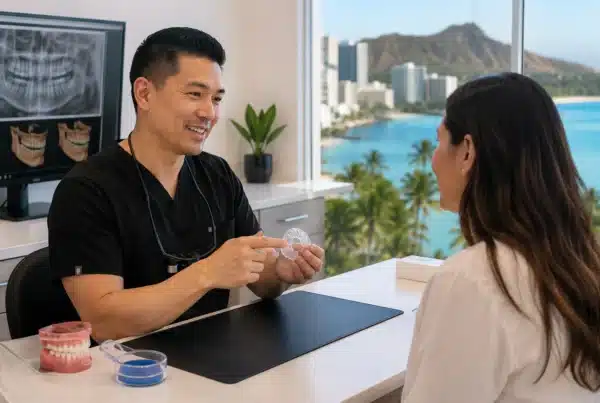
A dentist cannot replace the role of your sleep physician, but a trained dental sleep medicine provider can offer an important next step when CPAP is not working. Dentists who focus on sleep apnea evaluate the mouth, jaw, bite, and airway-related factors that may affect breathing during sleep. This gives them a different perspective than a machine-based approach alone.
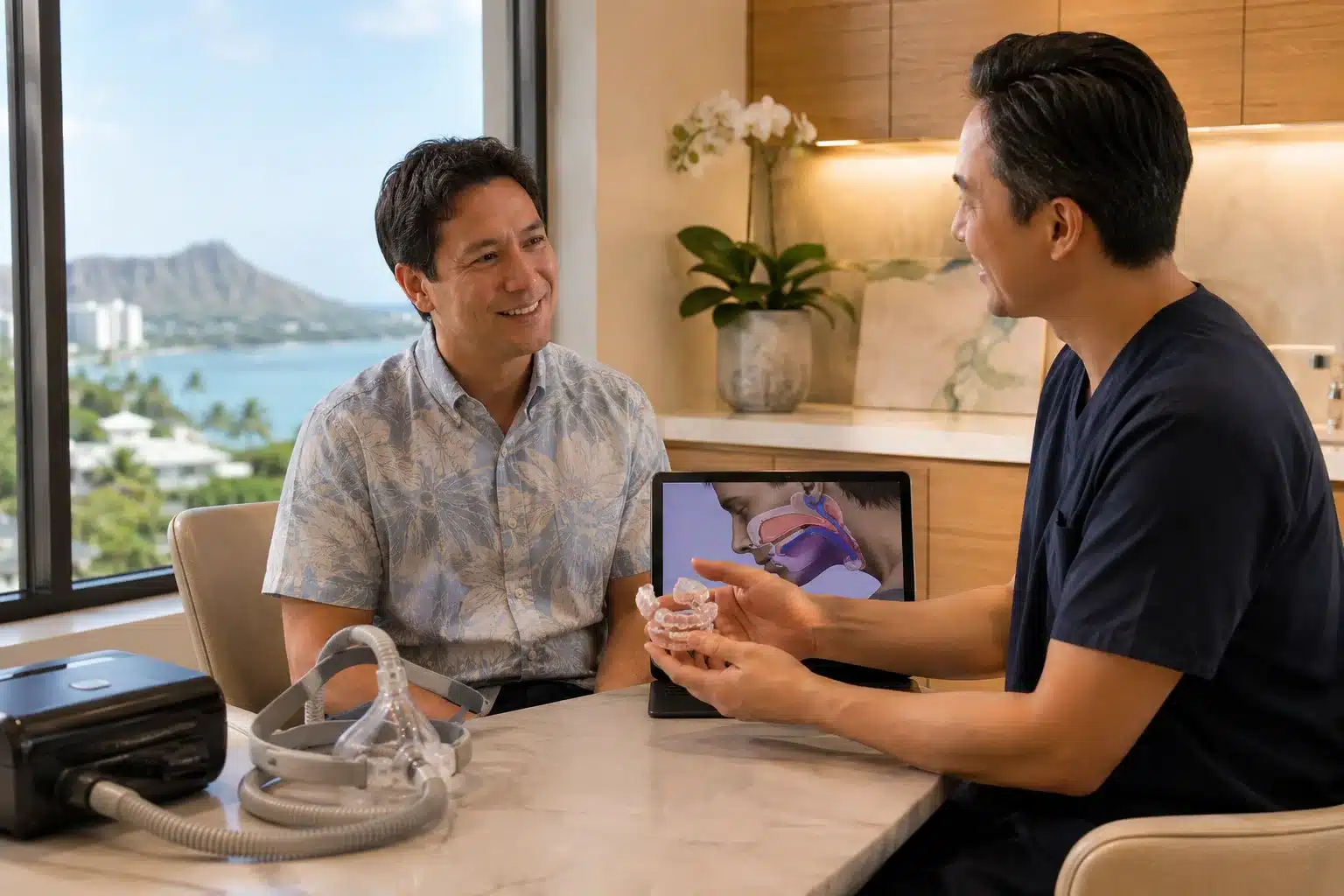
For many CPAP-intolerant patients, oral appliance therapy becomes the main alternative to discuss. A custom oral appliance fits inside the mouth and gently positions the jaw forward to help keep the airway more open during sleep. It is small, quiet, portable, and often easier to tolerate than a mask and machine.
The process still needs to be medically supervised. Your sleep diagnosis, treatment history, and follow-up testing all matter. The goal is not just to make treatment more comfortable, but to make sure it is actually helping your breathing and symptoms.
CPAP vs Oral Appliance Therapy
Before switching treatments, it helps to understand how CPAP and oral appliances compare in real life. Both approaches can treat obstructive sleep apnea, but they work differently and feel very different to patients. The best option depends on severity, tolerance, medical history, and whether you can use the treatment consistently.
| Treatment | How It Works | Best Fit | Common Challenge |
| CPAP therapy | Uses air pressure to keep the airway open | Moderate to severe sleep apnea, patients who tolerate the device | Mask discomfort, pressure issues, dry mouth, noise |
| Oral appliance therapy | Repositions the jaw to support airway space | Mild to moderate sleep apnea, or CPAP-intolerant patients | Requires custom fit, adjustments, and follow-up |
| Combined care | Uses more than one approach when needed | Patients with complex needs or partial response | Requires coordination between providers |
This comparison is not about proving one treatment is always better than the other. CPAP may be the right answer for some people, while an oral appliance may be the more realistic answer for others. The best treatment is the one that improves breathing and can be used consistently over time.
What Oral Appliance Treatment Looks Like
Oral appliance treatment starts with reviewing your sleep study, symptoms, and CPAP history so the appliance can be matched to your actual condition and not treated like a generic mouthguard. A custom appliance is designed around your teeth, jaw position, and comfort needs, which helps improve both fit and long-term use. The process also includes adjustments over time because small changes in jaw position can affect comfort and airway support.
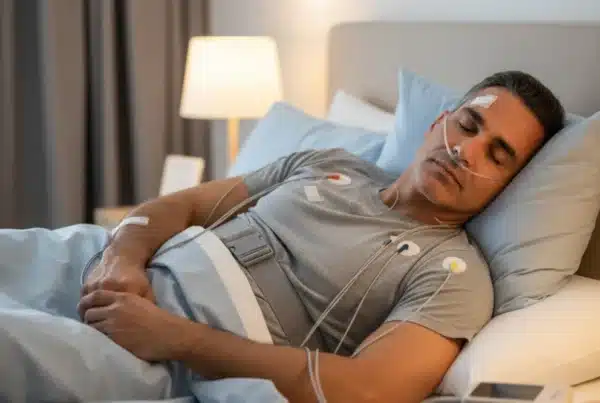
Follow-up care is an important part of treatment because comfort alone does not confirm that your sleep apnea is improving. Many patients need follow-up sleep testing after adjustments so the care team can confirm that breathing interruptions and oxygen levels are improving as expected. That combination of customization, adjustment, and monitoring is what helps turn the appliance into a long-term solution instead of a temporary experiment.
Questions to Ask If CPAP Is Not Working
If CPAP has been difficult, it is easy to feel stuck or even embarrassed. You may wonder whether you should try harder or whether another option is reasonable. Asking the right questions can turn that frustration into a more useful conversation.
Helpful questions include:
- Have we addressed mask fit, pressure settings, and comfort problems before calling CPAP a failure.
- Am I a candidate for oral appliance therapy based on my diagnosis and sleep study.
- How will we confirm that an oral appliance is actually working for my sleep apnea.
- What happens if I need combined care instead of one single treatment.
These questions move the discussion away from blame and toward problem-solving. They also help you understand whether the issue is comfort, effectiveness, or treatment fit. Once that is clear, the next step becomes much easier to choose.
Moving Forward When CPAP Has Not Worked
If CPAP has not worked for you, it does not mean you are out of options or that treatment has failed completely. It usually means your care plan needs to be adjusted in a way that matches your real experience instead of forcing you to keep struggling with something that does not fit your life. Sleep apnea treatment should help you sleep better, not become another source of stress every night.
Dr. Eugene M. Azuma and the team at Azuma Dental help CPAP-intolerant patients in Honolulu explore dentist-guided options like oral appliance therapy while working closely with sleep physicians to keep treatment medically appropriate. Their role is to guide you through the process clearly so you understand what is happening, what your options are, and what comes next. If you are ready to talk about a more realistic path forward, call (808) 528-2221 or visit 1060 Young St. Suite 220 Honolulu, HI 96814.
Frequently Asked Questions
What does CPAP intolerance mean?
CPAP intolerance usually means you have been prescribed CPAP but cannot use it consistently because of discomfort, anxiety, pressure problems, mask issues, or sleep disruption. The better question is why CPAP is not working for you and whether the problem can be fixed with adjustments. If those efforts do not help, a dentist trained in sleep apnea care may evaluate whether oral appliance therapy is a reasonable alternative.
Can a dentist treat sleep apnea if CPAP fails?
A dentist does not diagnose sleep apnea alone or replace your sleep physician, but a qualified dental sleep medicine provider can treat appropriate patients with oral appliance therapy. The better question is whether your diagnosis, sleep study, and health history make you a good candidate for a dental appliance. When the case fits, a dentist can design, adjust, and monitor an appliance that supports better breathing during sleep.
Is an oral appliance better than CPAP?
This question comes up because patients want to know whether they are choosing a weaker option if they move away from CPAP. The better question is which treatment you can use consistently and which one controls your sleep apnea safely. CPAP is very effective when tolerated, but an oral appliance may be the better practical option for patients who cannot use CPAP enough to benefit from it.
Do I need another sleep study after getting an oral appliance?
This matters because comfort alone does not prove that treatment is working. The better question is how your provider will confirm that the appliance is reducing breathing interruptions and oxygen drops. Many patients need follow-up testing after appliance adjustments so the care team can verify results and make changes if needed.