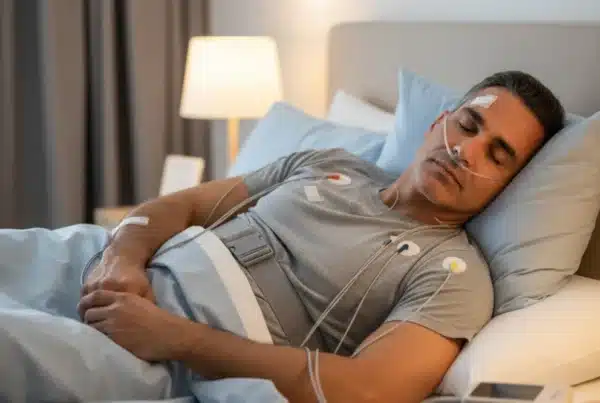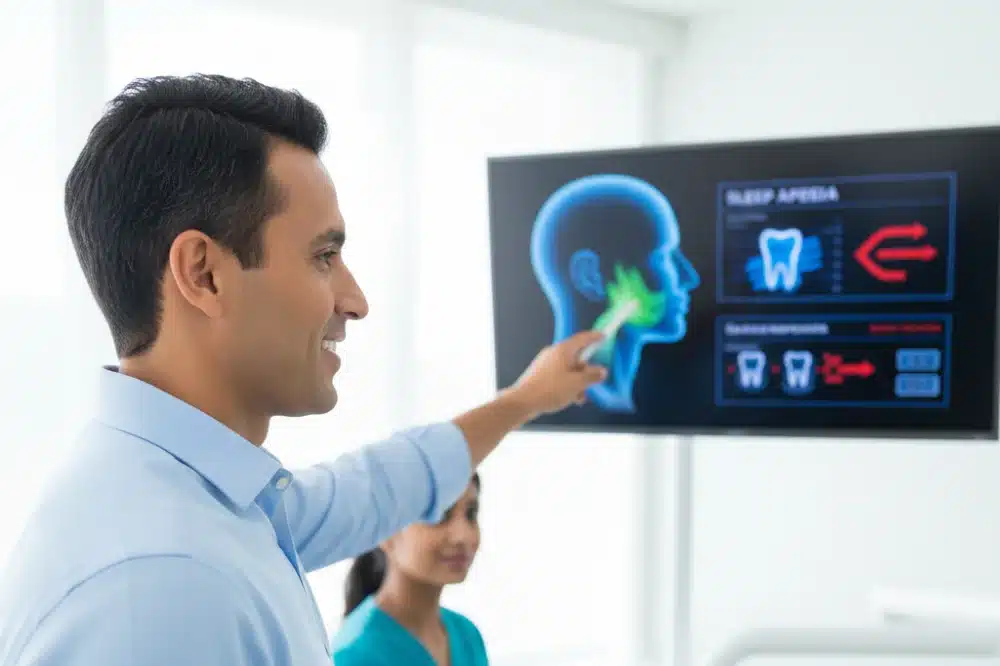
Dental sleep medicine focuses on how the mouth, jaw, and airway influence breathing during sleep, especially once the body fully relaxes at night. It often enters the picture when someone snores regularly, wakes up tired, or feels unrested despite spending enough time in bed. Rather than replacing medical care, dental sleep medicine adds another layer of understanding by closely examining oral structures that can quietly restrict airflow without a person realizing it.
Dr. Eugene M. Azuma DDS practices dental sleep medicine as part of a coordinated, physician led care model in Honolulu. He earned his Doctor of Dental Surgery from Georgetown University and co founded Hawaii Dental Sleep Medicine, LLC. As Vice President dentist of the American Sleep and Breathing Academy, his work centers on collaboration, education, and careful oral appliance management that aligns with medical diagnosis and long term health goals.
Why Dental Sleep Medicine Exists
Many people assume sleep problems begin and end with the brain or lungs, but the airway does not function in isolation. It runs directly through the mouth and throat, which means jaw position, tongue posture, and dental alignment all play a role once muscles relax during sleep. Even small structural differences can change how easily air moves in and out throughout the night.
Dental sleep medicine exists to focus on this overlooked part of the airway. Dentists are trained to evaluate the mouth, bite, and jaw every day, allowing them to recognize patterns that may contribute to restricted breathing. This perspective often helps explain symptoms that feel confusing or inconsistent.
By adding dental insight to sleep care, patients receive a more complete explanation of what may be happening. That clarity can reduce anxiety and help people feel more confident about testing, treatment options, and next steps.
What Sleep-Disordered Breathing Can Look Like
Sleep-disordered breathing does not look the same for everyone, which is one reason it often goes undiagnosed. Some people snore loudly and frequently, while others barely snore but still wake up feeling exhausted. The absence of snoring does not automatically mean sleep is healthy.
Daytime symptoms often tell the bigger story. Brain fog, headaches, irritability, and low energy can slowly affect work performance, relationships, and overall quality of life. Because these changes develop gradually, many people normalize them or blame stress.
Dental sleep medicine helps connect these daytime experiences with what may be happening at night. It gives patients clearer language for describing symptoms that otherwise feel vague or difficult to explain.
How Dentists Fit Into Sleep Care
Dentists do not diagnose sleep apnea. That diagnosis is made by a physician, usually through a sleep study that measures breathing patterns overnight. The dental role is supportive rather than diagnostic.
During routine exams, dentists may notice airway related signs such as jaw position, limited tongue space, bite patterns, or tooth wear from clenching and grinding. These findings can suggest that breathing may be disrupted during sleep, even when symptoms are subtle.
Dental sleep medicine uses these observations to support referrals and treatment planning. When dentists and physicians share information, care becomes more coordinated and easier for patients to navigate.
Common Signs That Dental Sleep Medicine May Be Relevant
Many people are unsure whether their sleep concerns are worth mentioning, especially if symptoms come and go. Occasional poor sleep can happen to anyone, but repeated patterns deserve attention. Consistency over time matters more than how severe any single symptom feels.
Patients from Ala Moana, Kakaʻako, and Makiki often report similar concerns during consultations. These signs do not confirm a diagnosis, but they often point toward the need for further evaluation.
- Loud or frequent snoring
- Pauses in breathing or gasping during sleep
- Waking with headaches or a dry mouth
- Daytime fatigue or difficulty concentrating
- Jaw soreness or worn teeth from grinding
Seeing several of these signs together is a reason to slow down and start documenting what you notice. Writing symptoms down over time helps medical and dental providers identify patterns more clearly, which can make evaluations more efficient and conversations more productive.
Oral Appliance Therapy in Dental Sleep Medicine
Oral appliance therapy is one of the main tools used in dental sleep medicine, but it is not appropriate for every situation. These devices resemble a mouthguard and are worn during sleep to support breathing when prescribed after a medical diagnosis.
They work by gently guiding the lower jaw forward, which helps keep the airway open by creating more space behind the tongue. Oral appliances are custom made for each patient and adjusted gradually to balance breathing improvement with jaw comfort and bite health.
Situations where oral appliance therapy may be discussed include the following.
- Mild to moderate obstructive sleep apnea
- Difficulty tolerating CPAP therapy
- Frequent travel or limited space for equipment
- Preference for a dentist monitored option
- Need for ongoing jaw and bite oversight
A consultation helps confirm whether oral appliance therapy fits a person’s diagnosis, anatomy, and lifestyle. Dental sleep medicine emphasizes thoughtful matching rather than one size fits all solutions, with ongoing follow up to protect long term comfort.
How Dental Sleep Medicine and CPAP Compare
Patients often ask how dental sleep medicine compares to CPAP therapy, especially when weighing comfort and effectiveness. Both approaches can be helpful, depending on diagnosis severity, tolerance, and daily routines.
Understanding the differences helps patients make informed decisions without feeling rushed or pressured. The table below offers a general comparison to support those conversations.
| Treatment Option | Primary Role | Typical Use | Dental Involvement |
| CPAP Therapy | Keeps airway open with pressurized air | Moderate to severe sleep apnea | Oral comfort awareness and coordination |
| Oral Appliance Therapy | Supports airway by guiding jaw position | Mild to moderate apnea or CPAP intolerance | Custom fabrication and monitoring |
Both options can improve sleep quality and daytime energy. Some patients use both depending on travel, comfort, or lifestyle needs. A coordinated care team helps guide safe, practical decisions over time.
How Dental and Medical Providers Work Together
Dental sleep medicine works best as a team effort rather than a standalone service. Sleep physicians diagnose sleep apnea and manage medical risk, while dentists support oral structures and oral appliance therapy when it is part of the plan.
Follow up testing plays an important role in confirming that treatment is working as intended. Adjustments are made based on comfort, symptoms, and objective results rather than assumptions.
This collaboration helps patients avoid confusion or delays. Each provider has a clear role, which makes care feel more supportive, organized, and easier to follow.
Taking the Next Step With Dr. Eugene Azuma DDS in Honolulu
If sleep problems are affecting your energy, focus, or daily life, clear guidance matters. Dental sleep medicine offers another lens for understanding sleep-disordered breathing, especially when oral anatomy may be contributing.
Dr. Eugene M. Azuma DDS works with patients across Honolulu, including Waikiki, Manoa, and McCully Moiliili. To learn whether dental sleep medicine may fit into your care, call (808) 528 2221 or visit https://dreugeneazuma.com.
Frequently Asked Questions
What is dental sleep medicine?
Dental sleep medicine is a focused area of dentistry that examines how the mouth, jaw, and airway affect breathing during sleep. It supports medical care by addressing oral factors that may contribute to sleep-disordered breathing and, when appropriate, helping manage treatment with oral appliance therapy.
Does dental sleep medicine replace a sleep doctor?
Dental sleep medicine does not replace a sleep physician or medical testing. A sleep doctor diagnoses sleep apnea and evaluates medical risk, while the dentist supports screening, education, and oral appliance care when it is part of the treatment plan.
Who is a good candidate for oral appliance therapy?
Oral appliance therapy is often considered for people with mild to moderate obstructive sleep apnea or those who struggle with CPAP use. A confirmed diagnosis, airway anatomy, jaw health, and lifestyle factors all help determine whether this option is appropriate.
Is oral appliance therapy comfortable long term?
Most patients find oral appliance therapy comfortable after an adjustment period, especially when the device is custom fit and carefully monitored. Ongoing follow up helps protect jaw comfort and bite health while supporting better sleep.
Meta Description: What Is Dental Sleep Medicine? Honolulu, HI. Learn how dentists support sleep breathing with oral appliance therapy.