Dentists treating sleep apnea care can sound strange at first, especially if you have always associated sleep problems with hospitals or sleep labs. That reaction makes sense, because most people are never told how closely the mouth and airway are connected. Once you understand that the jaw, tongue, and teeth sit directly beside the airway, it becomes easier to see how dental structures can influence breathing while you sleep.
Dr. Eugene M. Azuma DDS works in dental sleep medicine as part of a medical team, not separately from it. He earned his Doctor of Dental Surgery from Georgetown University and co-founded Hawaii Dental Sleep Medicine, LLC. As Vice President dentist of the American Sleep and Breathing Academy, his role focuses on identifying oral factors that may affect breathing and supporting physician-directed treatment in a careful, coordinated way.
Why Sleep Apnea Symptoms Often Show Up First at Home
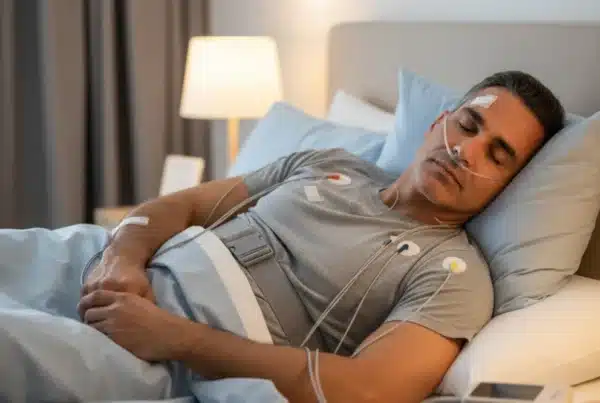
Most people do not discover sleep apnea during a routine medical or dental appointment. Instead, they begin noticing changes at home, often without realizing what those changes might mean. A partner may comment on loud snoring, or someone may hear choking or gasping sounds during the night. In neighborhoods like Makiki and Ala Moana, this is often where the first concerns arise.
Daytime symptoms usually follow. You may feel foggy at work, struggle to concentrate, or wake up feeling tired despite spending enough time in bed. Irritability and low energy can quietly become part of daily life. Because these shifts happen gradually, many people dismiss them as stress or a busy schedule.
This is where dental screening can help. Dentist treats sleep apnea screening connects nighttime breathing patterns with how you feel during the day, helping both patients and providers describe symptoms more clearly and recognize when further evaluation may be helpful.
What Sleep Apnea Can Look Like in Adults
Sleep apnea does not look the same for everyone, which is one reason it can go unnoticed for years. Some people snore loudly every night, while others barely snore at all but still wake up feeling exhausted. Many patients are surprised to learn that both situations can point toward sleep-disordered breathing.
Certain signs may show up in the mouth. Jaw soreness in the morning, cracked teeth, worn enamel, or persistent dry mouth can suggest nighttime clenching or airway strain. These details often surface during dental visits, even when sleep is not the main reason for the appointment.
Dentist treats sleep apnea screening helps gather all of these clues in one place. It does not rush to conclusions or replace medical diagnosis. Instead, it helps organize mixed signals into a clearer picture.
How a Dentist Fits Into Sleep Apnea Care
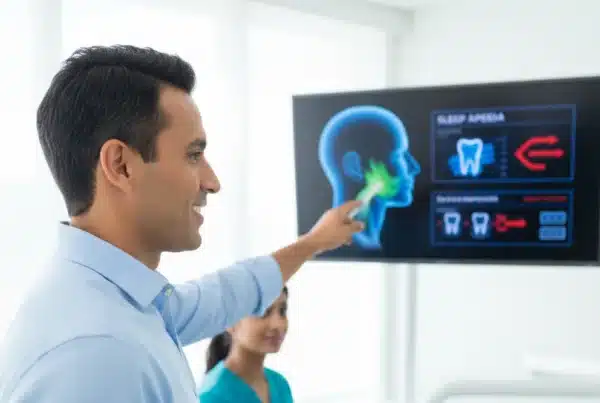
A dental exam can reveal details that are easy to miss in other settings. Dentists may notice a crowded bite, limited tongue space, or jaw positioning that narrows the airway once the body relaxes during sleep. These structural details can influence breathing without a person being aware of it.
At Dr. Eugene Azuma DDS, the goal is awareness rather than diagnosis. When something appears concerning, the next step is medical testing with a sleep physician. This approach keeps care safe, appropriate, and grounded in medical evaluation.
Dentist treats sleep apnea care works best when everyone stays in their lane. Physicians diagnose sleep apnea and manage medical risk, while dentists support oral structures and oral appliance therapy when it is prescribed.
Signs It May Be Time to Ask About Sleep Apnea
People often ask when snoring becomes something to worry about. The answer is not based on one bad night of sleep, but on patterns that repeat and begin to affect daily life. Consistency over time matters more than how dramatic any single symptom feels.
Patients from Kakaʻako, Downtown Honolulu, and the King Street Corridor often describe similar experiences during consultations. These signs do not diagnose sleep apnea, but they are meaningful when they appear together and persist.
- Loud snoring most nights
- Pauses in breathing or gasping during sleep
- Waking with headaches or a dry mouth
- Feeling tired or unfocused during the day
- Jaw soreness or worn teeth from grinding
Seeing several of these signs together is a reason to slow down and start paying closer attention, not a reason to panic. Writing down what you notice over time helps doctors and dentists see patterns more clearly, which can make evaluations more efficient and conversations more productive.
Oral Appliance Therapy When It Makes Sense
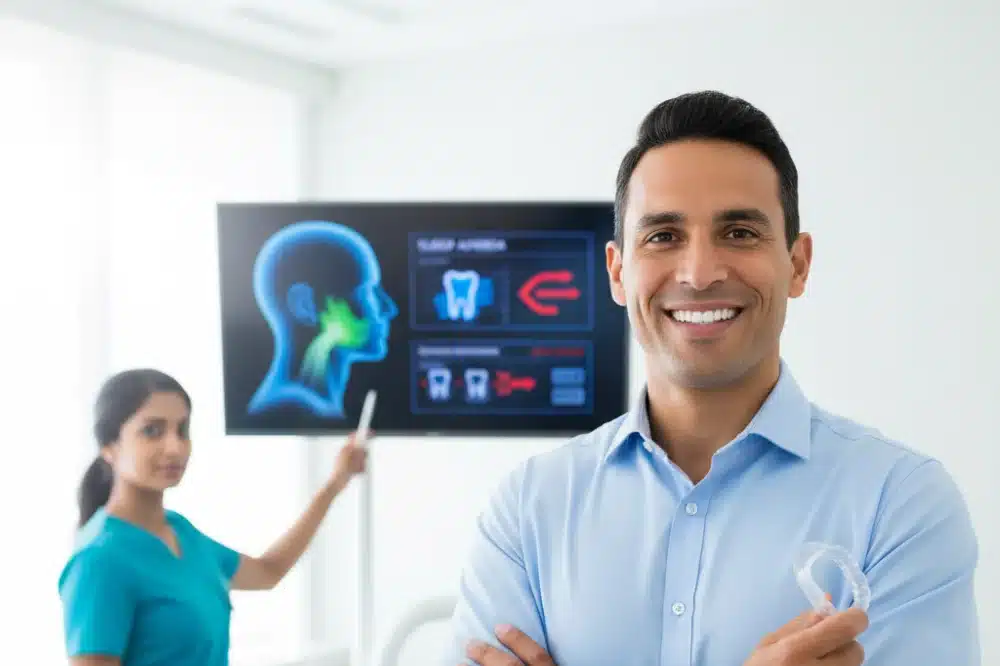
Oral appliances are not a first step, and they are not appropriate for everyone. They are used only after a medical diagnosis confirms sleep apnea. These custom dental devices gently guide the lower jaw forward during sleep, which can help support airflow by creating more space behind the tongue.
Many patients appreciate oral appliances because they are small, quiet, and easy to travel with. Some also find them more comfortable than a mask, which can make it easier to stay consistent with treatment. Comfort often plays a larger role in long-term success than people expect.
Situations where oral appliance therapy may come up in conversation include:
- Mild to moderate obstructive sleep apnea
- Difficulty tolerating CPAP therapy
- Frequent travel or lifestyle limitations
- Preference for dentist-monitored treatment
- Need for jaw and bite oversight
A consultation helps determine whether this option fits both the diagnosis and a person’s daily life. Oral appliance therapy is never assumed or rushed, and it is reviewed carefully to make sure it supports both sleep quality and long-term oral health.
How Dentists and Sleep Physicians Work Together
Sleep apnea care works best when it feels coordinated rather than fragmented. A sleep physician confirms the diagnosis and manages medical risk, while a dentist supports oral treatment when it is part of the plan.
Follow-up testing helps confirm that treatment is actually working, rather than relying on guesswork or assumptions. Adjustments are made based on comfort, symptoms, and objective results. Dentist treats sleep apnea care fits into a team approach, which helps patients feel supported instead of shuffled between offices.
CPAP Versus Oral Appliance Therapy
Patients often ask which option is better. The honest answer is that it depends on the individual situation. CPAP is often the most effective option for reducing breathing events, especially in more severe cases. Oral appliance therapy can still help selected patients, particularly when CPAP is difficult to tolerate. In real life, consistency matters just as much as effectiveness.
| Feature | CPAP Therapy | Oral Appliance Therapy |
| How it works | Pressurized air keeps the airway open | Jaw positioning supports airflow |
| Best suited for | Moderate to severe cases | Mild to moderate or CPAP intolerance |
| Comfort and travel | Bulkier and requires power | Compact and portable |
| Follow up | Mask and pressure checks | Bite and jaw monitoring |
Both options can improve sleep quality and daytime energy. Some patients use both depending on travel or comfort needs, and a coordinated care team helps guide those decisions safely.
What You Can Do Before an Evaluation
Waiting for appointments can feel frustrating, especially when sleep problems affect daily life. There are a few simple steps that can make visits more productive.
Keeping track of sleep patterns, daytime energy levels, and partner observations provides valuable context. Writing things down helps turn vague concerns into clear conversations, which often shortens the path to answers.
Taking the Next Step With Dr. Eugene Azuma DDS in Honolulu
When sleep feels broken, people want clear answers without pressure. They want someone to listen, explain options, and help them decide what makes sense. That is the role Dr. Eugene M. Azuma DDS plays for patients across Honolulu, including Waikiki, Manoa, and McCully Moiliili.If poor sleep may be affecting your health, starting the conversation is the first step. To learn more or schedule a consultation, call (808) 528 2221 or visit https://dreugeneazuma.com.